Vending machine maintenance probably is not the first thing on anyone’s mind when they walk up to grab a snack. They just want to make a selection, pay, and get on with their day. However when a card reader stops cooperating, a product refuses to dispense, or the entire machine is out of service, maintenance suddenly matters.
At EIH Distributions, we know people expect vending machines to work when they need them. Regular professional maintenance can help keep them reliable and ready to serve employees, customers, and visitors.
Vending Machines Need Regular Maintenance
There is a lot happening behind the scenes every time someone buys something from a vending machine. Depending on the model, a machine may include dispensing mechanisms, motors, payment hardware, electronic controls, sensors, and refrigeration components. Over time, parts can wear, debris can accumulate, and issues can develop that are not immediately obvious.
Regular maintenance gives operators an opportunity to check the equipment instead of waiting until a problem interrupts service.
Small Vending Machine Problems Can Become Bigger Headaches
Not every problem starts with a completely unusable machine. Maybe one selection is not dispensing properly. Perhaps the payment system works inconsistently. These problems might seem minor when the rest of the machine still works, but recurring issues should not be ignored.
When a Minor Issue Disrupts the Customer Experience
From the customer’s perspective, even a small problem is frustrating if it prevents them from getting what they paid for. Someone heading to the vending machine between meetings is looking for convenience. They do not want to troubleshoot a card reader or figure out why their snack is hanging halfway out of its slot.
Keeping equipment maintained helps support the experience vending is supposed to provide: choose something, pay, and receive it.
Downtime Means No One Can Use the Machine
When a vending machine is completely out of service, employees, customers, and visitors lose access to the convenience it was installed to provide. Professional maintenance can help operators identify service needs and address problems rather than leaving an unreliable machine in place.
What Does Professional Vending Machine Maintenance Include?
Maintenance requirements vary based on the machine, manufacturer, age, features, environment, and amount of use.
Depending on the equipment, professional maintenance may involve:
- Inspecting dispensing mechanisms
- Checking payment components
- Testing machine functions
- Cleaning appropriate areas
- Looking for worn or damaged components
- Evaluating recurring operating problems
- Identifying parts that may require repair or replacement
Refrigerated vending machines can have additional maintenance considerations because of their cooling components. Maintenance should always reflect the specific equipment and applicable manufacturer recommendations rather than following a one-size-fits-all approach.
Preventive Maintenance Can Help Catch Problems Earlier
There are two common ways to find out a vending machine needs attention: someone reports that it has stopped working, or the equipment is checked before it reaches that point. Preventive maintenance takes the second approach.
It creates an opportunity to identify signs of wear, inconsistent operation, and other service needs earlier. It cannot guarantee that a vending machine will never need repairs, but it provides a more proactive way to care for the equipment.
Maintenance Is About Reliability, Not Just Repairs
Maintenance and repair are related, but they are not exactly the same. Repairs address something that has already malfunctioned or become damaged. Maintenance focuses more broadly on keeping equipment in appropriate working condition and identifying service needs along the way.
For businesses, that means the machine does not necessarily have to stop working before it gets attention.
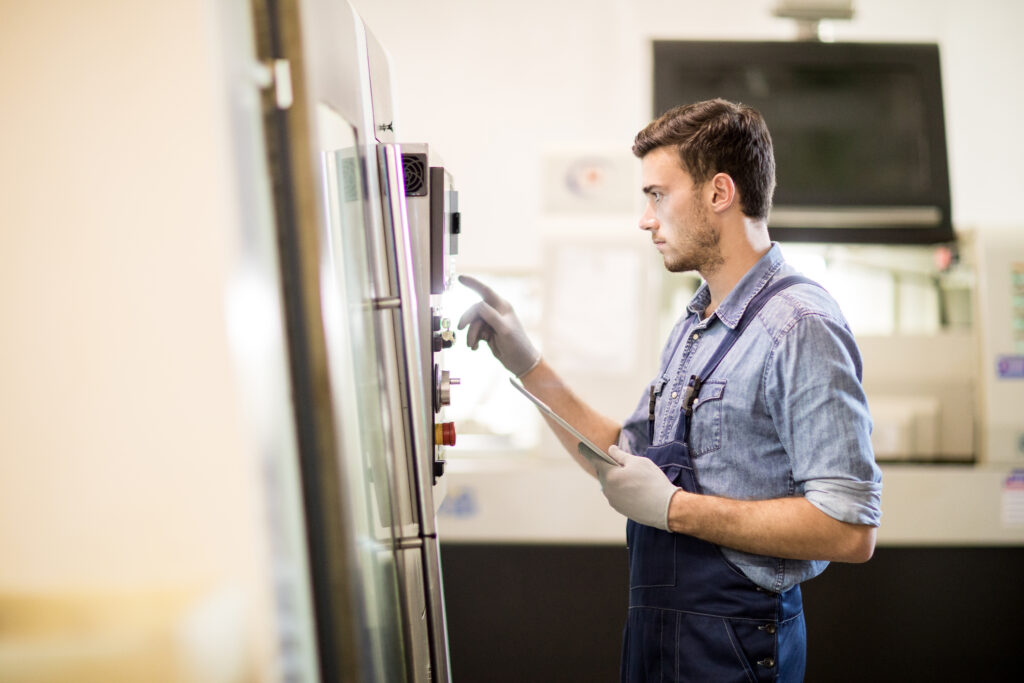
A Well-Maintained Machine Creates a Better Experience
Most people do not think about vending machine mechanics when everything works correctly. That is exactly how it should be. They find what they want, pay, grab their purchase, and continue with their day.
A machine with recurring problems creates a very different experience. Before long, employees are warning each other about the selection that always gets stuck or the card reader that only seems to cooperate when it feels like it.
Nobody should have to become the unofficial office vending machine technician just to get an afternoon snack. Keeping equipment functional and properly maintained helps vending remain what it is meant to be: convenient.
Why Professional Service Makes a Difference
Modern vending equipment can combine mechanical components with electronics, payment hardware, connectivity, refrigeration, and other technology. When one of those systems develops a problem, professional service provides a more informed approach to identifying what is happening and determining what attention the equipment needs.
Manufacturer recommendations also matter. Different machines have different components and service requirements, so maintenance should be based on the specific equipment rather than guesswork.
How Often Does a Vending Machine Need Maintenance?
There is no single schedule that applies to every vending machine.
Maintenance frequency can depend on:
- Manufacturer recommendations
- Machine type and model
- Frequency of use
- Age and condition
- Operating environment
- Refrigeration requirements
- Previous service issues
A heavily used machine may have different needs from one in a smaller workplace, so following the guidance for the specific equipment is a good starting point.
Businesses should also pay attention to changes between scheduled maintenance. Recurring dispensing failures, unreliable payment acceptance, unusual operation, or frequent interruptions can indicate that a machine needs attention.
Most importantly, a workaround should not become the permanent solution. A vending machine should not require insider knowledge to successfully buy a bag of chips.
Get More From Your Vending Equipment With EIH Distributions
At EIH Distributions, we understand that businesses need vending equipment they can depend on. From choosing the right machine to understanding the needs of modern vending equipment, we help businesses make informed decisions about their vending solutions.
Because at the end of the day, nobody visits a vending machine hoping for an adventure. They just want their snack. Contact EIH Distributions to learn more about vending equipment and solutions for your business.
Vending Machine Maintenance FAQs
What is vending machine maintenance?
Vending machine maintenance includes appropriate inspection, cleaning, testing, and servicing to help keep vending equipment operating correctly.
Why do vending machines need maintenance?
Vending machines contain mechanical, electrical, payment, and sometimes refrigeration components that can require attention as the equipment is used.
How often should vending machines be serviced?
There is no universal schedule. Maintenance frequency depends on the machine, usage, environment, condition, and manufacturer recommendations.
What are common vending machine problems?
Issues can involve dispensing mechanisms, payment systems, electronic components, refrigeration, or other machine functions.
Why does a vending machine fail to dispense a product?
Possible causes include issues with the dispensing mechanism or how a product is loaded. The exact cause depends on the machine and situation.
Do cashless vending systems require maintenance?
Cashless payment hardware may require troubleshooting or service if it stops working correctly. Requirements vary by payment system.
Can maintenance prevent every vending machine breakdown?
No. Maintenance cannot guarantee equipment will never malfunction, but it can help identify certain signs of wear and service needs.
What are signs that a vending machine needs service?
Recurring dispensing problems, inconsistent payment acceptance, unusual operation, repeated outages, or visible damage can indicate a need for service.
Should vending machines be cleaned regularly?
Vending machines should be kept clean using appropriate procedures for the particular equipment and following manufacturer recommendations.
When should a professional inspect a vending machine?
Professional assistance may be appropriate for recurring problems, technical troubleshooting, or service that requires specialized knowledge of the equipment.