Vending machine technology has come a long way from the days when buying a snack meant digging around for exact change, pressing a couple of buttons, and hoping the chips actually made it to the bottom. Anyone who has watched a bag get caught on the way down knows the frustration. Today, modern vending machine technology makes that experience easier for customers while giving businesses and operators better ways to manage their machines.
From cashless payments and remote maintenance monitoring to inventory tracking and smarter dispensing systems, vending technology continues to evolve. For business owners and operations managers, understanding these features can make it easier to determine what belongs in a workplace, facility, or other commercial space.
Vending Machine Technology Has Come a Long Way
Technology has taken vending machines to a whole new level. Gone are the days when they simply accepted payment and dispensed a selected product. Modern machines can do considerably more. Connected technology has given vending operators access to information that previously required an in-person visit to the machine. Depending on the equipment and system, operators can monitor inventory, review sales information, identify certain machine issues, and make more informed restocking decisions.
For the person standing in front of the machine, however, the improvements are much simpler: vending should be convenient. That means offering flexible ways to pay, helping customers quickly find what they want, and, most importantly, making sure they actually receive the product they paid for.
Cashless and Contactless Payments Make Buying Easier
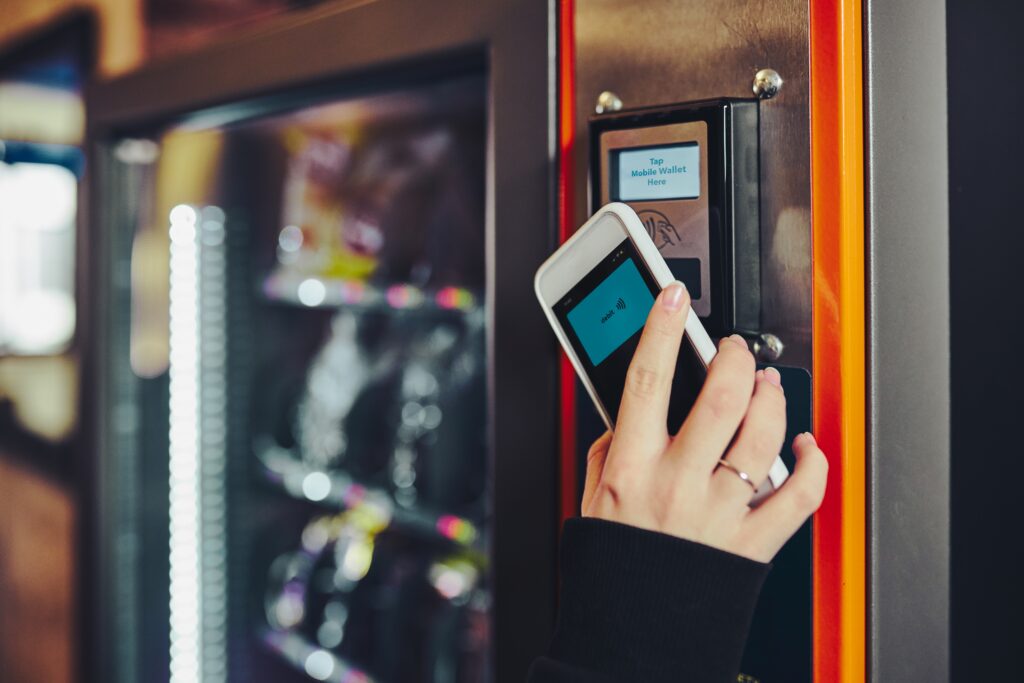
A vending machine might be full of someone’s favorite snacks, but that does not help much when they do not have cash in their pocket. Cashless payment technology addresses that problem. Many modern vending machines can be equipped to accept payment methods beyond bills and coins.
More Ways to Pay
Depending on the vending machine and payment system, available options may include credit cards, debit cards, mobile wallets, and other forms of contactless payment. For employees, customers, and visitors, that flexibility removes one of the traditional barriers to making a vending purchase. Customers do not have to hunt for a dollar bill or dig around for enough quarters just to grab an afternoon snack.
For businesses evaluating new vending equipment, payment capabilities are worth considering alongside machine size, capacity, and product selection.
A Convenient Customer Experience
Payment technology is not simply about adding another feature to a machine. It affects the entire vending experience.
People have become accustomed to paying quickly with cards and mobile devices in other parts of their daily lives. Giving them similar options at the vending machine can make purchasing feel much more natural. The goal is simple: fewer obstacles between the customer and their snack.
Smart Inventory Tracking Takes the Guesswork Out of Restocking
An empty slot does not do anyone much good, especially when it held the most popular snack in the building. Connected vending technology can give operators greater visibility into inventory and sales activity. Rather than relying entirely on visual inspections, compatible systems can provide information that helps operators understand what is selling and what may need to be replenished.
Better Stocking Decisions
Inventory data can also provide useful insight into customer preferences. If one product consistently sells while another barely moves, that information can help guide future stocking decisions. Over time, operators can use actual sales information to make more informed choices about the mix of products offered in a particular location.
The result can be a vending selection that better reflects what the people using the machine actually want.
New Technology Can Help Prevent the Dreaded Stuck Snack
Here is a situation plenty of people know: the card goes through, the spiral turns, and the bag of chips moves just far enough to get stuck. So close, yet completely unreachable.
Product delivery sensors are one technology used in modern vending equipment to help verify whether a selected item has successfully dropped into the delivery area. Exact functionality varies by machine and system, but these technologies can help vending equipment respond more intelligently when a product does not dispense as expected.
That may not sound as exciting as artificial intelligence or a large touchscreen, but from the customer’s perspective, reliable dispensing can be one of the most important improvements a vending machine offers. After all, vending technology is only useful if someone can get the snack they paid for.
Remote Monitoring Helps Keep Machines Running Smoothly
Traditionally, finding out that a vending machine needed attention might have required someone to notice the problem and report it. Connected vending machines can change that process.
Depending on the equipment, remote monitoring systems can provide operators with information about machine activity and certain operational conditions. That visibility can help operators identify situations that may require attention without depending exclusively on an employee or customer to report them.
Remote access can also make managing multiple machines more practical. Instead of treating every machine as an isolated piece of equipment, operators can use connected systems to get a broader view of their vending operations. For a business, that can mean a more informed approach to keeping its vending service available and useful.
Interactive Displays Create a More Modern Vending Experience
The front of the vending machine is changing, too. Touchscreens and digital displays are increasingly part of modern vending equipment. Depending on the machine, these interfaces can make it easier to browse selections, view product information, and navigate the purchasing process.
They also give vending machines a noticeably different feel from traditional button-and-coil models. This can be especially valuable in workplaces and commercial environments where businesses want their amenities to complement a modern space. A vending machine is ultimately there to serve a practical purpose, but that does not mean the experience has to feel outdated.
How AI Is Changing Modern Vending Machines
Artificial intelligence is another development influencing the vending industry. AI-enabled systems can support capabilities such as analyzing sales information and helping operators better understand purchasing patterns. The specific features available depend on the machine, software, and vending setup.
The important point for businesses is that vending equipment is becoming increasingly data-driven. Instead of simply holding products until someone buys them, newer systems can provide information that helps operators understand how a machine is being used. We have explored this topic in greater detail in our guide to AI snack machines, including how smarter technology is changing vending operations.
What Should a Business Look for in a Modern Vending Machine?
With so much vending machine technology available, the newest feature is not automatically the most important one.
The right machine should fit the location and the people who will actually use it.
Before selecting vending equipment, businesses can consider factors such as:
- Available payment options
- Machine dimensions and available floor space
- Product capacity and selection
- Connectivity requirements
- Inventory and remote monitoring capabilities
- Dispensing technology
- Ease of use
- Expected traffic at the location
- The types of products customers or employees want
It is also important to think beyond the machine itself. A large-capacity machine may make sense in a busy facility but be unnecessary for a smaller workplace. Likewise, certain connected features may be particularly useful when managing vending equipment across multiple locations.
At EIH Distributions, we believe vending equipment should solve a practical need. That is why choosing a machine starts with understanding where it will go, who will use it, and what the business wants the vending experience to accomplish.
Upgrade the Vending Experience With EIH Distributions
Vending should be convenient for the person buying a snack and practical for the business providing access. At EIH Distributions, we help businesses explore vending solutions designed for today’s environments. Whether the priority is flexible payments, smarter machine capabilities, product capacity, or simply creating a better experience for employees and customers, we can help identify equipment suited to those needs.
Technology will keep changing, but a good vending experience still comes down to something straightforward: people want an easy way to buy what they want and actually receive it. Ready to explore modern vending equipment? Contact EIH Distributions to discuss vending solutions for your business.
Vending Machine Technology FAQs
What is vending machine technology?
Vending machine technology refers to the hardware and software used to operate modern vending equipment. Depending on the machine, this can include payment systems, connectivity, inventory monitoring, digital displays, dispensing sensors, and other features.
What is a smart vending machine?
A smart vending machine generally refers to vending equipment that incorporates connected or digital technology beyond the basic functions of accepting payment and dispensing a product. Available capabilities vary between machines and systems.
Can modern vending machines accept credit cards?
Many modern vending machines can support cashless payment systems that accept credit and debit cards. Compatibility depends on the specific machine and payment hardware.
Can vending machines accept contactless payments?
Compatible vending payment systems may support contactless transactions, including certain cards and mobile wallet options.
How do vending machines know whether a product dropped?
Some vending equipment uses product delivery sensors to detect whether an item has reached the delivery area. The exact technology and response to an unsuccessful vend vary by machine.
Can vending machines track inventory?
Connected vending systems can provide inventory information for compatible equipment, helping operators monitor stock levels and determine when products may need replenishment.
Can vending machines be monitored remotely?
Some connected vending systems support remote monitoring. Available information varies but may include sales, inventory, and certain machine status information.
Do vending machines use artificial intelligence?
AI is being incorporated into some vending platforms and related software. Potential uses include analyzing sales information and identifying purchasing patterns, although capabilities differ considerably between systems.
Are touchscreen vending machines available?
Yes. Some modern vending machines feature touchscreen or digital interfaces that customers can use to browse products and make selections.
What should a business consider when buying a vending machine?
Businesses should consider available space, expected usage, product selection, capacity, payment options, connectivity, monitoring capabilities, and the needs of the employees, customers, or visitors who will use the machine.